
Reimagining Wetlands :
Advancing Water Security and Sustainability through the Arts
1–2 February 2027 | Kolkata, India

Background
Venue and Logistics
Art has always been one of humanity’s oldest and most enduring languages of storytelling. In Kolkata, the continuity of artistic traditions plays a central role in civic life and is deeply connected to the city’s ecological foundations. Kolkata was originally formed from wetlands; its drainage systems, rivers, canals, ponds, and marshes are all aligned with the hydrological rhythms of a wetland landscape. Culturally, from visual arts and theatre, to music and poetry, the city has fostered generations of artists who interpret and reimagine the relationship between people, their environment, and the more-than-human world. At its heart, this conference recognizes wetlands as vital cultural and ecological commons. By bringing together diverse perspectives, it seeks to illuminate how water connects climate, heritage, and community resilience.
Positioning Kolkata as a critical example of how wetlands underpin environmental and social resilience, this conference seeks to reframe how we think about urban spaces in particular, in the context of water and our cultural heritage. The East Kolkata Wetlands extend into the Sundarbans creating a continuum of ecosystems that not only safeguard Kolkata from flooding and pollution but also connect the city's urban resilience to the world's largest mangrove forest.
The conference theme “Jol-Jyanto” (a Bengali phrase meaning “water alive”), drawn from the Living Water Museum’s 2023 digital exhibition, signals water’s vitality as an ecological force and cultural metaphor.
While the East Kolkata Wetlands provide the backdrop for shared learning, the conference welcomes examples on the impact of development on wetlands worldwide to understand where there are opportunities for synergy between conservation, the arts and cultural heritage. What are the drivers of change, and how can we ensure that further development is built on an ethical framework attuned with the SDGs and cognizant of the impacts of climate uncertainty on vulnerable and marginalized communities. Listening to micro-narratives and oral histories from Indigenous and local communities will be critical towards building inclusive stewardship.
Kolkata, India
1–2 February 2027
Objectives of the Conference
Highlight the role of water museums in sustaining artists and creative practices that interpret water heritage and wetlands. And vice versa, the role of artists and creative practitioners in enlivening and challenging the discursive practice of museums.
Showcase Kolkata’s (and the Sundarbans) unique wetlands — river(s), mangroves — as living laboratories of resilience.
Promote decolonial museum-making approaches to water heritage with a focus on wetlands through collaborative, creative and inclusive approaches, critically looking at ways of navigating ethical issues in the context of furthering wetlands conservation and wise use.
Support the global celebration of World Wetlands Day (2 February) by foregrounding wetland conservation through the arts, including in urban waterscapes.
Conference Themes and Convenors
The conference will explore six interconnected thematic areas that examine the intersections of wetlands, water, climate change, art, cultural heritage, livelihoods, gender, urban resilience, and youth leadership. Together, these themes will foster interdisciplinary dialogue and inspire collaborative solutions for sustainable wetlands conservation, water security, and climate resilience. The six thematic areas are:
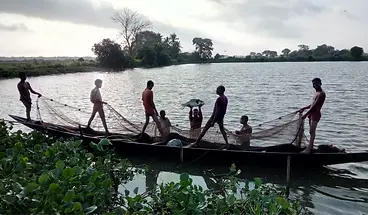
Wetlands Ecology and Society

Women, Water and Work

Art for Transformative Change

Wetlands and Cultural Heritage
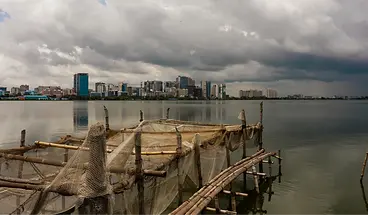
Urban Waterscapes and Climate Change

Empowering Young Water-Keepers
Conference Outcomes
Pledge to develop collaborative project ideas linking museums, artists, and local communities within the Ramsar Convention’s Communication, Capacity Building, Education, Participation and Awareness programme for wetlands.
Develop an approach for looking at the East Kolkata Wetlands as a potential eco-museum within the broader framework of the Ramsar Site’s Integrated Management Plan.
Strengthen water education opportunities and youth engagement towards building inclusive local leadership.
Important Dates & Links
May 15 - July 15, 2026
Call for abstracts open
Week of August 1, 2026
Announcement of results
September 1, 2026
Registrations open
December 15, 2026
Registrations close
December 1, 2026
Announcement of final programme
February 1-2, 2027
Conference in Kolkata
February 3-4, 2027
Immersive Sundarbans trip
CLOSED
Advisory Members
Mr Dave Pritchard
Coordinator, Ramsar Culture Network
Ms Farah Kabir
Country Director, ActionAid Bangladesh
Dr Ritesh Kumar
Director, Wetlands International South Asia
Prof Carola Hein
UNESCO Chair, TU Delft, Netherlands
Dr Yash Veer Bhatnagar
Country Representative, IUCN India
Dr Sara Ahmed
Founder, Living Waters Museum, India
Prof Jenia Mukherjee
Associate Professor, IIT Kharagpur, India
Mr Ravindra Singh
Director, GIZ India
Dr Jayati Chourey
Director, SaciWaters, India
Technical support
Mr Sukrit Sen
Art and Outreach Coordinator, LWM
Mr Jaidev Joshi
Programme Officer, IUCN India
Ms Suchita Awasthi
Senior Technical Officer, WISA
Ms Uttara V
Curatorial and Design Researcher, LWM
Ms Shambhavi Krishna
Forestry and Biodiversity Advisor, GIZ, India
Ms Dayadra Mandal
Technical Officer, WISA
Mr Bharat M E
Research and Exhibition designer, LWM
Mr Nazmul Ahsan
Manager, Young People, ActionAid Bangladesh
Ms Aditi Patial
Programme Associate, WISA
REGISTRATIONS OPEN
Organizers

Partners
Key Partners

Founded in 2017, the Living Waters Museum is a hybrid platform that curates visual and audio-visual narratives on India’s water heritage. Through digital media, storytelling, and community engagement, it promotes care and responsibility towards water. Digital and pop-up exhibitions showcase the cultural and ecological importance of wetlands and urban waterscapes, amplifying the voices of local communities, artists, women and youth. By collaborating with diverse professionals, the museum reinterprets archives, traditional and Indigenous knowledge to create inclusive experiences. More than a repository, it sparks dialogue on water challenges, connecting past legacies with present concerns of sustainability and resilience. The museum is currently based at the Centre for Water Research, IISER-Pune. It is a member of the Global Network of Water Museums, which UNESCO's Intergovernmental Hydrology Programme recognizes as a special initiative toward SDG 6 on access to clean water.
The Ramsar Culture Network (RCN) is a voluntary international community of practitioners and experts that evolved in 2013 from an earlier intergovernmental Working Group under the Ramsar Convention. It now includes about 150 members worldwide, committed to integrating cultural and natural aspects in wetland conservation. Its mission is to create synergy among individuals and organizations to enhance the Convention’s implementation. Supported briefly by the MAVA Foundation and otherwise voluntary, the Network has produced guidance materials, research, case studies, workshops, and collaborations with Indigenous Peoples, local communities, and partners. It remains a vibrant forum for advice and global knowledge exchange.

.png)
Wetlands International South Asia, established in 1996 in New Delhi, is part of the global Wetlands International network dedicated to conserving and restoring wetlands. With its headquarters in the Netherlands, Wetlands International works in over 100 countries through 18 regional and national offices, and is one of six International Organisation Partners of the Ramsar Convention. Its mission is to inspire and mobilise society to safeguard wetlands for people and nature. This is pursued through four strategies: providing science-based tools and knowledge, demonstrating effective field outcomes, fostering collaborations and partnerships, and building skills, capacities, and institutions to enable long-term conservation.